Shifts in Player Behavior Linked to Customizable Interface Options in Digital Sports Wagering Tools
Written by Quinn Hayes · Aug 18, 2026
Shifts in Player Behavior Linked to Customizable Interface Options in Digital Sports Wagering Tools
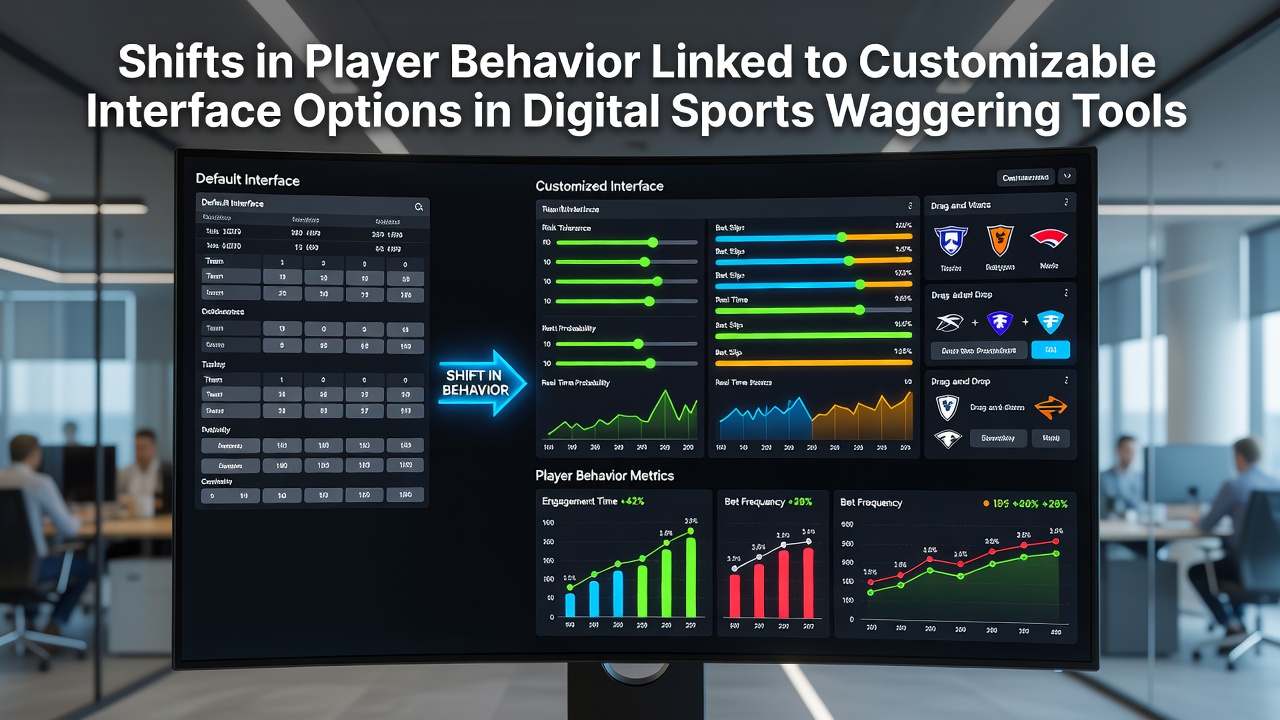
Digital sports wagering platforms have introduced customizable interface options over recent years, and researchers have tracked corresponding changes in how users interact with these tools. Players now adjust layouts, color schemes, notification settings, and bet slip configurations to match personal preferences, and platform data indicates these features alter session lengths as well as betting frequency patterns.
Core Elements of Customizable Interfaces
Modern wagering applications allow users to modify display brightness, rearrange menu items, select preferred odds formats, and toggle real-time alerts for specific events. These options emerged as standard features by mid-2025, and developers report that more than sixty percent of active accounts on major platforms activate at least one customization within the first week of use. Such adjustments give individuals greater control over visual clutter and information flow, which in turn influences decision-making speed during live events.
Industry reports from the European Gaming and Betting Association highlight that users who personalize their dashboards tend to explore additional markets more often than those who keep default settings. The same data shows elevated interaction with in-play betting features once notification preferences are set to match individual viewing habits.
Documented Changes in User Activity
Studies conducted across multiple jurisdictions reveal measurable shifts once customization tools become available. Average session duration increased by twenty-two percent on platforms that rolled out full interface controls in 2025, according to aggregated analytics shared by North American operators. Users also placed bets across a wider variety of sports once they could filter leagues and hide less preferred categories, reducing visual overload during peak hours.
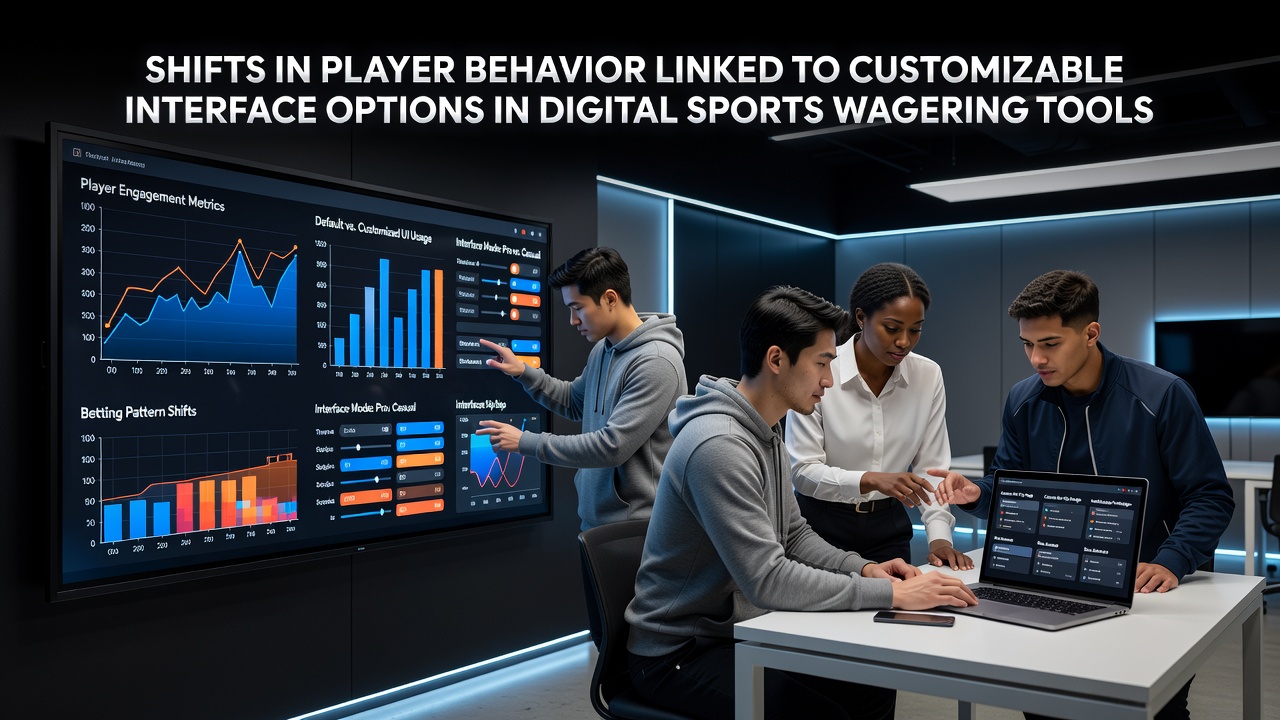
One analysis released in August 2026 by researchers at the University of Nevada examined transaction logs from several large operators and found that players who rearranged their bet slip completed wagers thirty percent faster on average. This speed correlated with higher volumes of smaller-stake bets rather than single large wagers, suggesting that streamlined layouts encourage incremental activity throughout an event.
Regional Patterns and Regulatory Context
Canadian provincial regulators noted similar trends in their 2026 quarterly reviews, where provinces with licensed mobile platforms reported greater uptake of dark mode and simplified layouts among users aged twenty-five to thirty-four. These groups showed steadier engagement across evening hours when compared with earlier data from 2024. Australian research centers tracking digital wagering observed parallel results, with customized push notifications linked to more frequent checks of live scores and odds updates.
Platform operators in these regions have adjusted responsible gambling prompts to appear within personalized layouts, ensuring that limit-setting tools remain visible even after users rearrange their screens. Such integration appears in recent compliance documentation from several licensing bodies outside the United Kingdom.
Impact on Specific Behavioral Metrics
Data from academic reviews published in 2026 indicates that customization correlates with changes in deposit timing as well. Users who enable quick-access widgets for balance checks tend to monitor funds more regularly and adjust spending limits earlier in a session. Conversely, those who disable certain alerts sometimes extend play beyond previous patterns until manual checks occur.
Researchers tracking European markets found that multi-language interface options increased participation among non-native speakers, with bet diversity rising as users selected preferred terminology for bet types. These findings come from aggregated anonymized datasets rather than individual case studies, yet they align across several independent reports.
Conclusion
Customizable interface options continue to reshape how players navigate digital sports wagering environments, and ongoing data collection through 2026 shows consistent associations with session length, bet frequency, and feature exploration. Regulatory bodies and research institutions across North America, Europe, and Australia maintain active monitoring programs to document further developments as platforms refine these tools.