The Interplay of Promotional Mechanics and Self-Regulation Features Across Event-Focused Mobile Wagering Platforms
Written by Carlo Perry · Oct 10, 2026
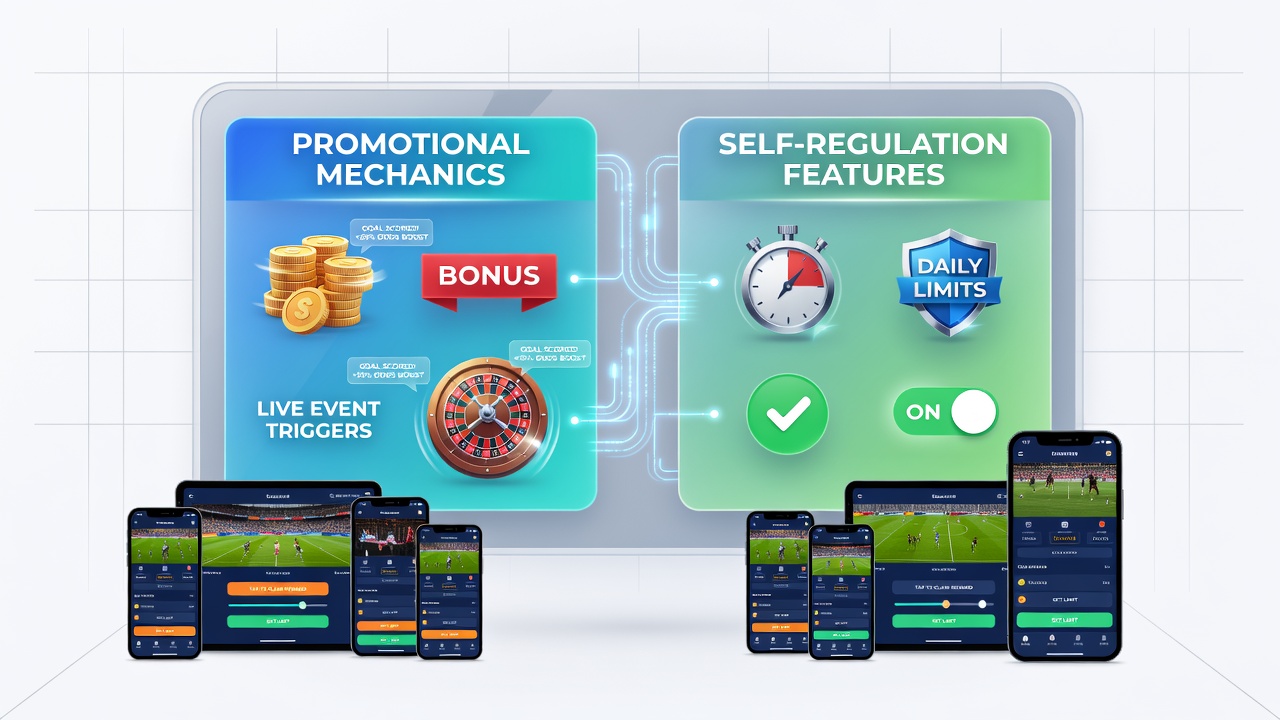
The Interplay of Promotional Mechanics and Self-Regulation Features Across Event-Focused Mobile Wagering Platforms
Event-focused mobile wagering platforms combine time-sensitive promotions with built-in controls that let users manage their activity during major competitions and live events. These systems operate across sports seasons and international tournaments where betting volumes spike around specific matches and matches. Data from regulatory filings shows that operators adjust bonus structures and limit settings simultaneously to comply with regional rules while maintaining user engagement through structured incentives.
Promotional Mechanics in Live Event Contexts
Operators deploy deposit matches, free bets, and enhanced odds tied directly to event schedules, such as football leagues or tennis grand slams. These offers activate during pre-match windows and extend into live betting periods, where real-time adjustments occur based on in-game developments. Research from the University of Nevada's gaming studies program indicates that such mechanics correlate with increased session lengths when paired with event-specific triggers like goal-scoring bonuses or set-completion rewards.
Platforms often segment promotions by user history and location, delivering targeted notifications that reference upcoming fixtures. This approach draws from behavioral datasets that track participation rates across different event types. Figures from the American Gaming Association reveal that event-linked bonuses account for a substantial portion of mobile activity during peak tournament months, including periods leading into October 2026 when multiple overlapping competitions occur worldwide.
Self-Regulation Tools Embedded in Mobile Interfaces
Users access deposit caps, session timers, and reality checks through dedicated menu sections that remain available regardless of active promotions. These features update dynamically during events, allowing adjustments mid-session when activity intensifies. Studies conducted by the Responsible Gambling Council in Canada document higher adoption rates of limit-setting tools on apps that surface them alongside promotional banners rather than in separate sections.
Self-exclusion options extend from temporary pauses to full account freezes, with some platforms integrating cooling-off periods that activate automatically after prolonged event betting. Operators report that these controls integrate with promotional systems by pausing bonus eligibility during exclusion windows. External data from the Victorian Commission for Gambling and Liquor Regulation in Australia shows consistent patterns where users who activate multiple controls maintain lower average wager amounts across seasonal events.
How Promotional and Control Features Interact
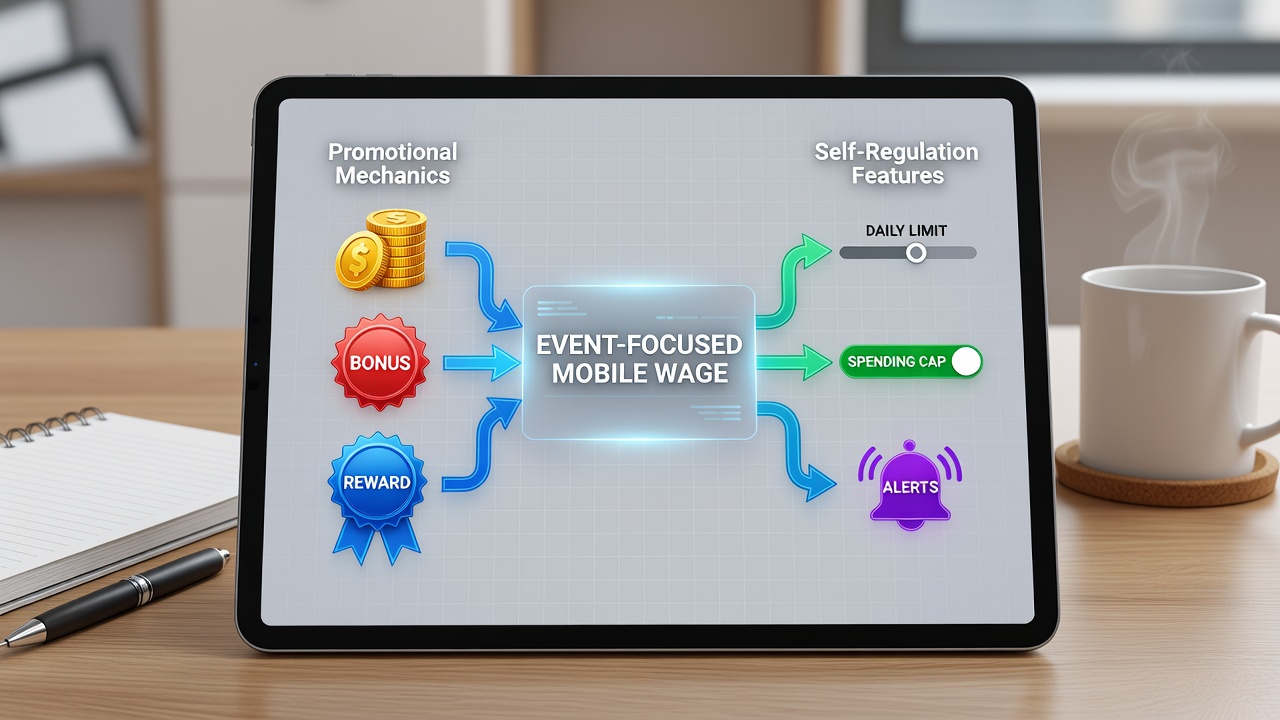
Promotions frequently include prompts that direct users toward limit-setting pages before bonus activation completes. This design creates a checkpoint where participants review their parameters while claiming event-based rewards. Observers note that platforms in multiple jurisdictions now require explicit confirmation of personal limits when users opt into time-limited offers tied to high-profile matches.
Analytics platforms track correlations between bonus uptake and subsequent control usage, revealing that certain promotion types trigger increased limit adjustments. Researchers at academic institutions have mapped these sequences across datasets covering thousands of accounts during major events. The patterns suggest that operators refine both elements together, adjusting bonus values and control defaults based on aggregated compliance metrics rather than isolated performance indicators.
During October 2026, several platforms introduced updated interfaces that display remaining bonus conditions next to current deposit and time limits. This layout allows simultaneous monitoring without switching screens. Industry reports indicate these changes align with broader regulatory expectations for transparent presentation of incentives and safeguards in event-driven environments.
Regional Variations and Data Patterns
European operators tend to emphasize session time limits within promotional flows, whereas North American platforms more commonly highlight deposit caps during event sign-ups. Australian systems often combine both with loss-limit options that reset on a per-event basis. Cross-regional comparisons from independent research bodies demonstrate that these differences reflect local licensing conditions and prevailing user preference data collected over multiple seasons.
Event-focused apps collect granular metrics on how promotions influence control activation timing. One analysis of mobile sessions during international tournaments found that users who received bonus notifications within the first ten minutes of an event showed elevated rates of limit review activity shortly afterward. Such findings guide ongoing refinements to notification timing and control visibility.
Conclusion
Event-focused mobile wagering platforms continue to evolve the connection between promotional mechanics and self-regulation features through integrated design choices and data-driven adjustments. Regulatory filings and academic studies document measurable interactions that shape how users engage with both elements during live competitions. As platforms update interfaces and operators respond to seasonal event calendars, these systems maintain parallel tracks for incentive delivery and activity management across global markets.